How to Start a Radio Station: Step-by-Step Guide for 2025
- Chapter 1 covers the essential steps to launching a radio station, including choosing your broadcast method, conducting market research, securing funding, and building your audience.
- Chapter 2 dives into the equipment and software you'll need, whether you're setting up a simple home studio or a full-scale terrestrial operation.
- Chapter 3 shares expert tips on radio programming to help you create engaging, consistent content that keeps listeners coming back.
Table of Contents
Chapter 1
How to Start a Radio Station: Step-by-Step Guide
Why Start a Radio Station?
How to Start a Radio Station in 10 Steps
1. Choose Your Broadcast Method
2. Conduct Market Research
3. Understand Your Startup Costs
4. Develop a Business Plan and Secure Funding
5. Navigate Licensing and Regulatory Requirements
6. Purchase Necessary Equipment and Set Up Your Studio
7. Develop Programming for Your Audience
8. Hire Staff and On-Air Talent
9. Build Awareness and Attract Your First Listeners
10. Launch and Grow an Engaged Audience
Your Next Step: Getting Equipped to Go Live
Chapter 2
Software and Equipment for Broadcasting Your Radio Station: Here's What You Need
Chapter 3
Radio Programming: Seven Keys to Captivating Your Audience
Table of Contents
Chapter 1
How to Start a Radio Station: Step-by-Step Guide
Why Start a Radio Station?
How to Start a Radio Station in 10 Steps
1. Choose Your Broadcast Method
2. Conduct Market Research
3. Understand Your Startup Costs
4. Develop a Business Plan and Secure Funding
5. Navigate Licensing and Regulatory Requirements
6. Purchase Necessary Equipment and Set Up Your Studio
7. Develop Programming for Your Audience
8. Hire Staff and On-Air Talent
9. Build Awareness and Attract Your First Listeners
10. Launch and Grow an Engaged Audience
Your Next Step: Getting Equipped to Go Live
Chapter 2
Software and Equipment for Broadcasting Your Radio Station: Here's What You Need
Chapter 3
Radio Programming: Seven Keys to Captivating Your Audience
Why Start a Radio Station?
How to Start a Radio Station in 10 Steps
1. Choose Your Broadcast Method
Internet Radio: The Smart Starting Point
- Global reach through any internet connection
- No geographic limitations
- Lower startup and operational costs
- Launch within days or weeks, not years
- Test your format before a major investment
Traditional FM/AM Broadcasting
- Have substantial funding secured
- Need local market penetration
- Can navigate regulatory requirements
- Have access to transmission sites

2. Conduct Market Research
Understand Your Audience
- Nielsen Audio or Statista for listener behavior trends
- Think with Google for audio consumption insights
- Social media and podcast analytics for topic demand
- Website surveys or tools like Typeform to test interest in your format
- U.S. Census Bureau or local demographic data to understand population segments
- What content do they already listen to?
- When and how do they listen (AM, FM, online)?
- What other media do they trust or engage with?
Analyze Your Competition
- What genres or topics they focus on
- How they engage listeners
- How often they broadcast and what their schedule looks like
Define Your Angle
3. Understand Your Startup Costs
- Broadcasting software/platform: $100-$500/month
- Basic studio equipment: $2,000-$5,000
- Music licensing: $500-$2,000/year
- Website and hosting: $500-$2,000/year
- Marketing budget: $5,000-$10,000/year
- First-year operations: $3,000-$5,000
- FCC licensing and legal fees: $10,000-$50,000
- Transmitter and antenna: $30,000-$150,000
- Studio construction: $50,000-$200,000
- Tower lease/construction: $20,000-$500,000
- Professional equipment: $50,000-$150,000
- First-year operations: $100,000-$300,000
💡 Cost ranges depend on setup and scale:
4. Develop a Business Plan and Secure Funding
Radio Station Business Plan Components
- Executive summary – What your station is, who it's for, and what makes it unique
- Company overview – Legal structure, ownership, location (physical or virtual)
- Programming and revenue model – Your content format(s), advertising strategy, syndication plans, and income streams (ads, sponsorships, events, merchandise)
- Operations plan — Staffing, equipment, studio setup, licensing, automation tools
- Marketing and audience strategy – How you'll grow your listener base and brand
- Financial projections – Startup and ongoing costs, expected revenue, breakeven timelines
- Funding request – How much you need, how it will be used, and projected return
Funding Your Radio Station
- Personal savings or credit (separate from business finances)
- Friends and family loans
- Small business loans or lines of credit
- Crowdfunding platforms (especially for niche or community-focused stations)
- Angel investors or media-focused VCs
- Grants (check for arts, media, or local business development funds)

5. Navigate Licensing and Regulatory Requirements
Licensing for FM/AM Broadcasters (FCC)
- FCC application windows aren't always open — You may need to wait for the next official filing period, which can take years in some markets.
- Approval takes time — Applications can take 6–18 months (or longer) to process.
- Construction permits are required before you build or buy — The FCC strongly advises that you don’t purchase any broadcast equipment until you’ve been granted a permit.
- Unlicensed broadcasting is illegal — Even low-power transmissions can result in steep fines and criminal penalties.
💡 What about Low Power FM (LPFM)?
- Up to 100 watts (approx. 3.5-mile broadcast radius)
- Lower equipment costs and a simpler application process
- Strictly non-commercial use only
Music Licensing for Online and Terrestrial Stations
- ASCAP – Covers millions of songs; fees based on revenue
- BMI – Similar to ASCAP, but with different fee structures
- SESAC – Smaller catalog, invitation-only
- SoundExchange – Required for all digital streaming (online radio)
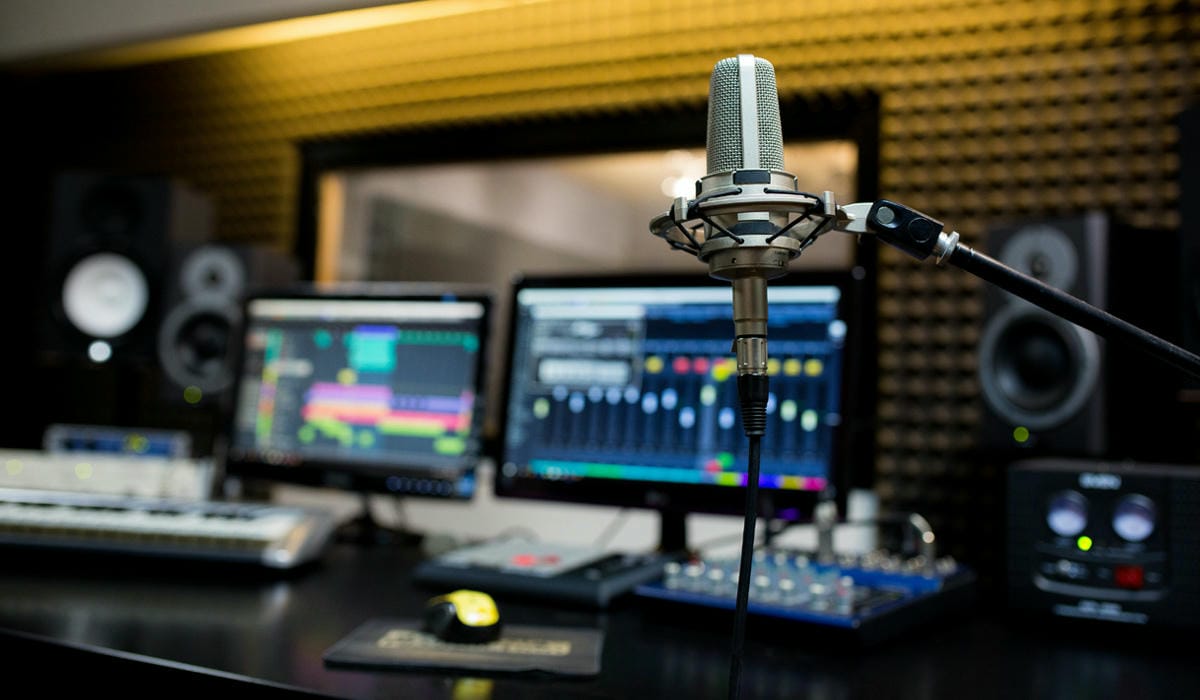
6. Purchase Necessary Equipment and Set Up Your Studio
Equipment For Online vs. AM/FM Radio Stations
- Reliable internet connection
- Computer or laptop
- Broadcasting software
- Microphones (USB or XLR)
- Audio playback devices
- Audio recording/editing software
- Streaming servers and encoders
- Music or content libraries
- Transmitters and antennas
- Towers and guy wires
- Power supplies and backup generators
- Professional-grade studio gear
- Audio automation and playback equipment
- Remote control and monitoring systems
Choosing Your Studio Location

7. Develop Programming for Your Audience
Choose a Radio Station Format
- Music genres: pop, rock, classic rock, country, hip-hop, classical, nostalgia (oldies), regional (e.g. Latin genres), religious
- Talk-based: news, sports, political commentary, educational, interviews
Use Syndicated Media
- News and sports: Westwood One (affiliated with Cumulus Media) provides popular newscasts and sports updates.
- Music: Reach out to local record labels, music promoters, or use professional music services that offer pre-licensed tracks for radio airplay.
- Talk shows and countdowns: Many networks offer ready-to-air specialty programming that fits a variety of formats.
Automate Your Broadcast With Cloud Tools
- Schedule content days or weeks in advance
- Seamlessly toggle between live and pre-recorded content
- Broadcast from anywhere with an internet connection
- Lower your operational costs and reduce energy usage
- Automatic backups and failover protection
- Playlist rotation with music scheduling rules
- Pre-recorded show scheduling and replay
- Automatic announcements (e.g., time, weather, or promotions)
- Commercial insertion and spacing based on ad inventory
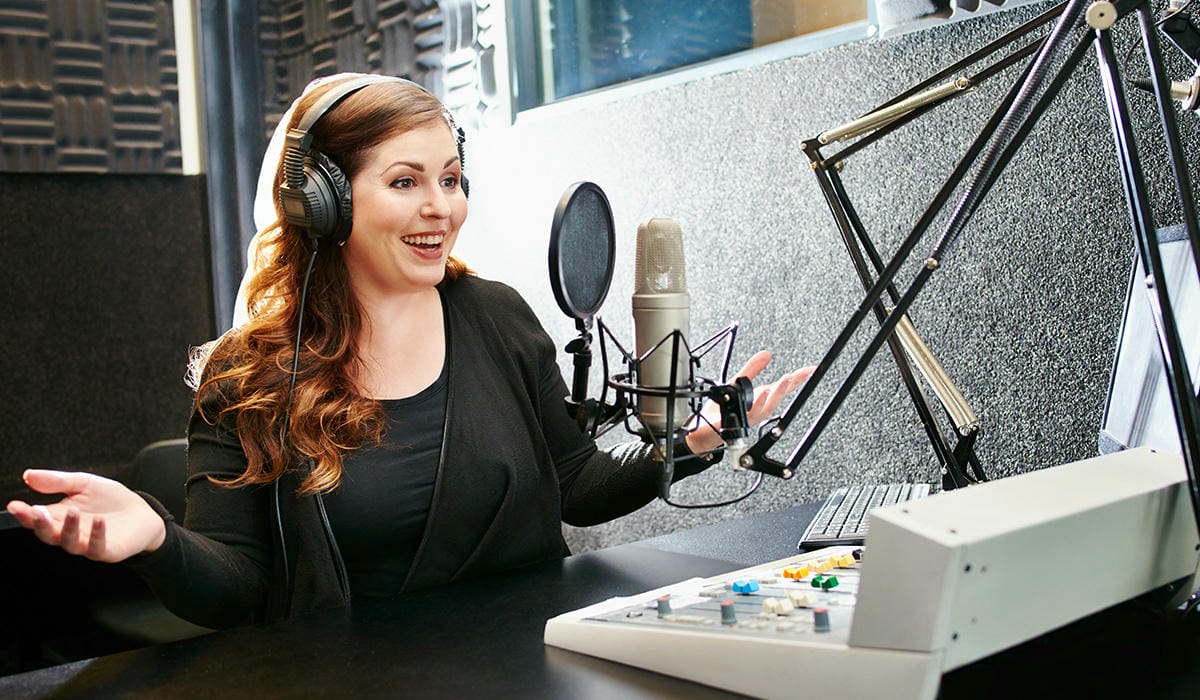
Power Your Station with Live365
8. Hire Staff and On-Air Talent
- Producers – Plan and coordinate your programming.
- On-air talent – Hosts, DJs, and personalities that bring your station to life
- Broadcast engineers – Handle technical setup and troubleshoot issues

9. Build Awareness and Attract Your First Listeners
Set Your Marketing Budget
Choose Your Marketing Channels
- Build a professional website with a built-in streaming player
- Create branded social media profiles across key platforms
- Run targeted PPC and social media ad campaigns
- Partner with local businesses, schools, or nonprofits for cross-promotion
- Recruit advertisers early to help offset marketing costs
- Set up content distribution partnerships or placement in directories
- Host contests or giveaways to boost engagement
Connect With Advertisers
- Direct ad sales to local or niche businesses
- Sponsorships for shows, segments, or events
- Programmatic advertising that automatically serves ads tailored to your listeners' demographics and interests
Find Distribution Opportunities
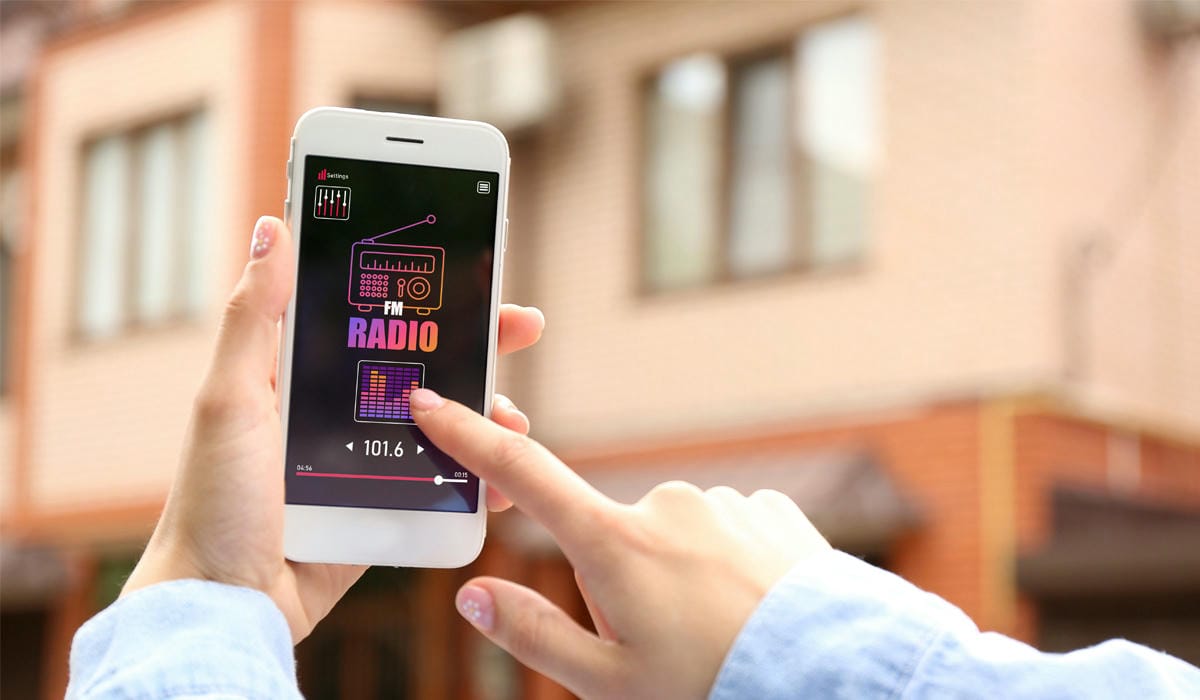
- Web and mobile apps
- Smart TVs, Alexa, and voice assistants
- Premium distribution partners TuneIn and iHeartRadio
10. Launch and Grow an Engaged Audience
Generate Buzz Around Your Launch
- A virtual or in-person launch event
- Guest appearances (local influencers or musicians can help draw attention)
- On-air giveaways or contests
- Collaborations with community organizations or small businesses
Collect Feedback From Your Listeners
- Run listener surveys via email or social media
- Invite call-ins and live feedback during shows
- Use platform analytics (like Live365’s built-in stats dashboard) to track engagement
- Monitor what time slots, segments, or genres perform best
Keep Listeners Engaged and Coming Back
- Holding regular giveaways or contests
- Sponsoring or promoting local events
- Running joint promotions with businesses, artists, or sports teams
- Supporting charitable causes or broadcasting from community events
- Offering listener shout-outs or call-in opportunities during live shows
Monetize Your Radio Station
- Automated ad insertion (handled by platforms like Live365)
- Sponsorship packages with local or national brands
- Direct ad sales for more control and revenue share
- Memberships or crowdfunding to involve your audience in supporting your station
Your Next Step: Getting Equipped to Go Live
NEXT: CHAPTER 2
Software and Equipment for Broadcasting Your Radio Station: Here's What You Need
FAQ
Most broadcasters can configure their station and begin streaming within a day once music or talk assets are prepared.
A computer, stable internet, microphone, encoder or automation software, and optionally a mixer or interface.
Yes, if you play copyrighted music. Live365 covers U.S. performance rights under ASCAP, BMI, SESAC, and SoundExchange.
Costs vary by hosting and equipment, but entry-level Live365 plans include licensing and hosting in one subscription.
Yes. Enable ad monetization or use sponsorships and listener donations to generate revenue.